Choosing the right cooling tower is a critical decision for any facility planning and production leader. The wrong system can cause years of capacity bottlenecks, uncontrolled process temperatures, compliance challenges, and expensive operational headaches. A successful
cooling tower selection process requires more than comparing catalog specs, it must account for real process loads, environmental conditions, long-term maintenance needs, and future growth.
With decades of project experience across the USA, Mexico and Latin America,
Thermal Flow offers a technical selection framework designed to deliver true operational reliability and lifecycle ROI. Our approach fuses advanced
cooling tower design calculations, market knowledge, and best practices proven in every industry.
Step one: define the process and performance requirements
Effective
cooling tower selection starts with a full understanding of your facility’s duty. Gather all relevant process data: required heat load in BTU or kW, process water flow (m3/hr or gpm), desired supply temperature, and maximum expected ambient wet bulb. Consider whether you need a permanent
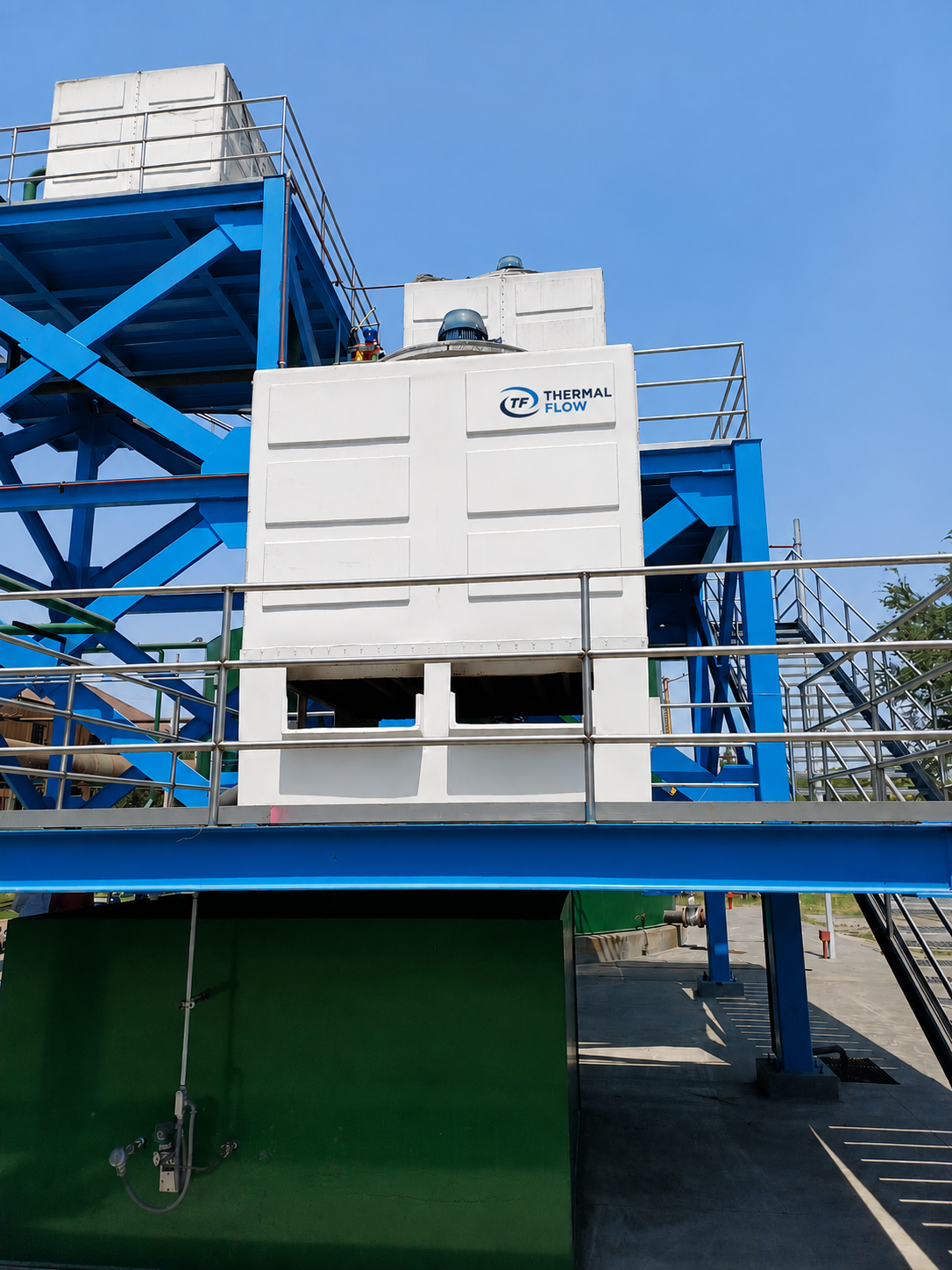
field erected cooling tower , a pre-engineered package, or short-term
cooling tower rental for construction or emergencies.
If you are not familiar with cooling basics, review What Is a Cooling Tower? Understanding Industrial Cooling Systems to ensure all system fundamentals are clear before starting thermal calculations.
Field erected vs package cooling towers: key differences
A
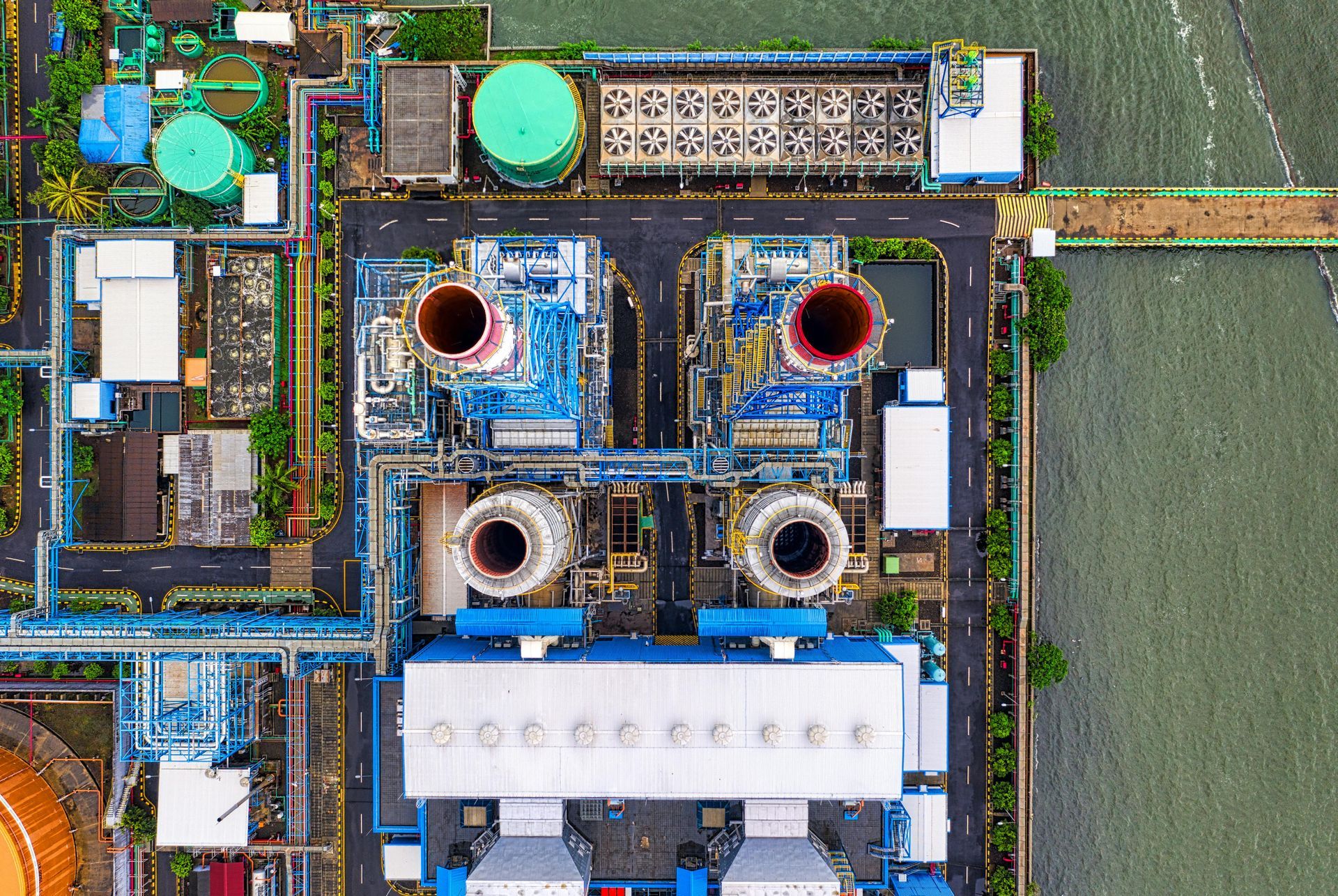
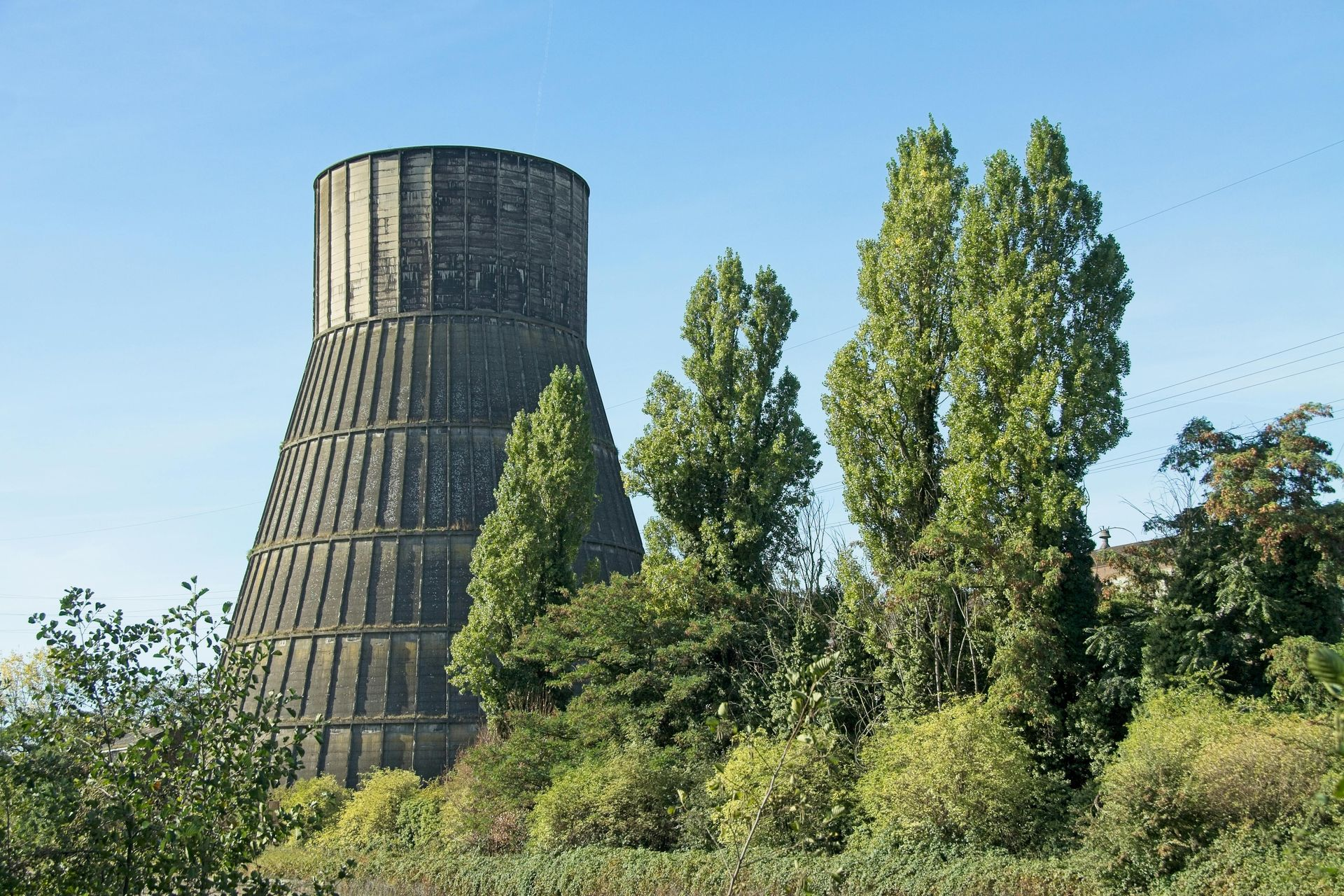
field erected cooling tower provides the highest customization for large heat loads, unique footprints, and multi-cell modular expansion. This choice is ideal for steel making, chemical plants, refineries, or heavy industrial cooling duty requiring robust materials and on-site assembly. In contrast, package units are factory-assembled, cost-efficient for moderate loads, and ideal for smaller plants or where space and time are limited.
For a breakdown of configuration, installation, and maintenance distinctions, see Cooling Tower Types: Understanding Crossflow, Counterflow, and More. That resource details which fundamentals most affect performance and lifecycle service in your application.
Key selection factors for sizing and system fit
- Calculate total heat rejection needed at design peak load and expected climate conditions.
- Choose flow arrangement (crossflow, counterflow, hybrid) based on water quality, footprint, access, and project location.
- Prioritize compatibility with plant piping, pump system layout, and surge/overflow management.
- Align material and construction specifications with site exposure, process risk, and environmental compliance.
- Consider supplier engineering support, install schedule, and full lifecycle
cooling tower maintenance resourcing from the beginning.
Careful attention to initial thermal, hydraulic, and footprint fit avoids costly oversizing or process shortfall, a common error when skipping technical diligence in
cooling tower manufacturer selection.
Common mistakes to avoid in cooling tower selection
- Specifying based only on initial cost rather than lowest lifecycle owned cost.
- Underestimating system complexity, redundancy, or true peak thermal load.
- Ignoring long-term access for essential service and component replacements.
- Overlooking local climate variances or water quality that drive extra
cooling tower maintenance or accelerate problems.
A system may look good on paper but fail in practice if maintenance is difficult or if the design doesn't account for issues such as scaling, drift or water carryover. Review Cooling Tower Maintenance: Essential Practices for Optimal Performance for practical maintenance needs that should factor into every capital purchase.
Future-proofing your cooling tower system
Leading facilities design for adaptation. Plan for future plant expansions, possible process changes, water restrictions, or regional environmental requirements. Involve your
cooling tower manufacturer early to explore modular and scalable options. Towers designed for easy media, fill, or fan upgrades will remain efficient and compliant even as operations evolve.
Failure to plan for lifecycle challenges often results in chronic performance loss, high repair costs, or premature asset replacement. See Common Cooling Tower Problems and How to Fix Them for additional pitfalls to watch for when specifying new systems.
Environmental and regulatory considerations
Any
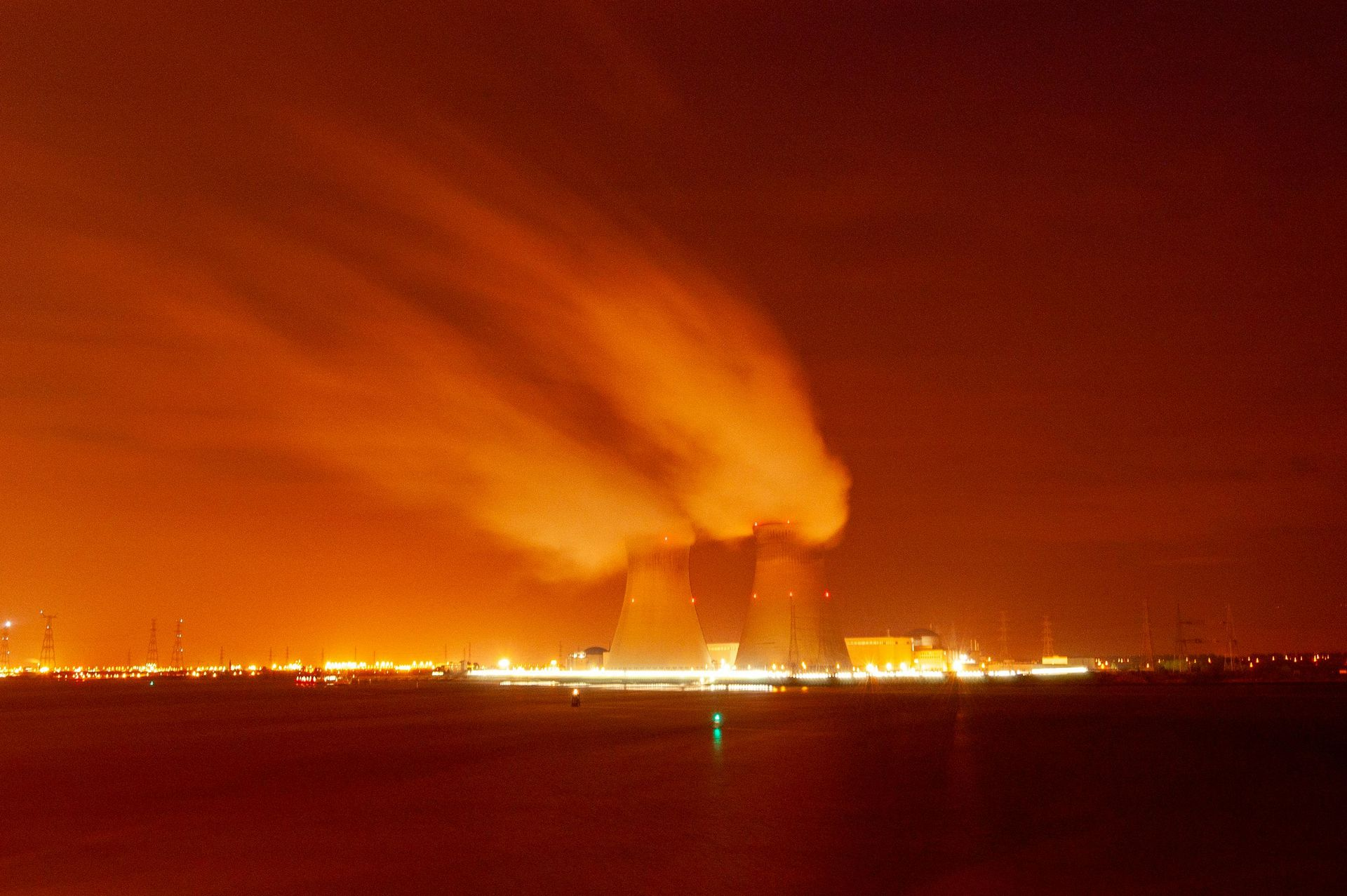
industrial cooling tower selection must comply with national, regional, and industry-specific guidelines. Pay close attention to drift control, water usage, evaporative plume, and required documentation. Select systems with a proven record in your industry and compliance environment.
If using a
cooling tower rental model, confirm supplier capability for water management, biocide application, and rapid service backup.
Optimize your cooling tower selection for maximum reliability
For a full design and performance comparison, including critical choices between crossflow and counterflow arrangements, read Cooling Tower Types: Understanding Crossflow, Counterflow, and More. For help on specification and service planning, consult Cooling Tower Maintenance: Essential Practices for Optimal Performance and Common Cooling Tower Problems and How to Fix Them. Expert selection, design and startup from the start secures process stability for the long term.
Contact Thermal Flow for expert engineering support on every phase of
cooling tower selection , sizing, and lifecycle optimization. Our technical team guides clients to the right system for process, budget, and industry requirements across the USA, Mexico, and Latin America.