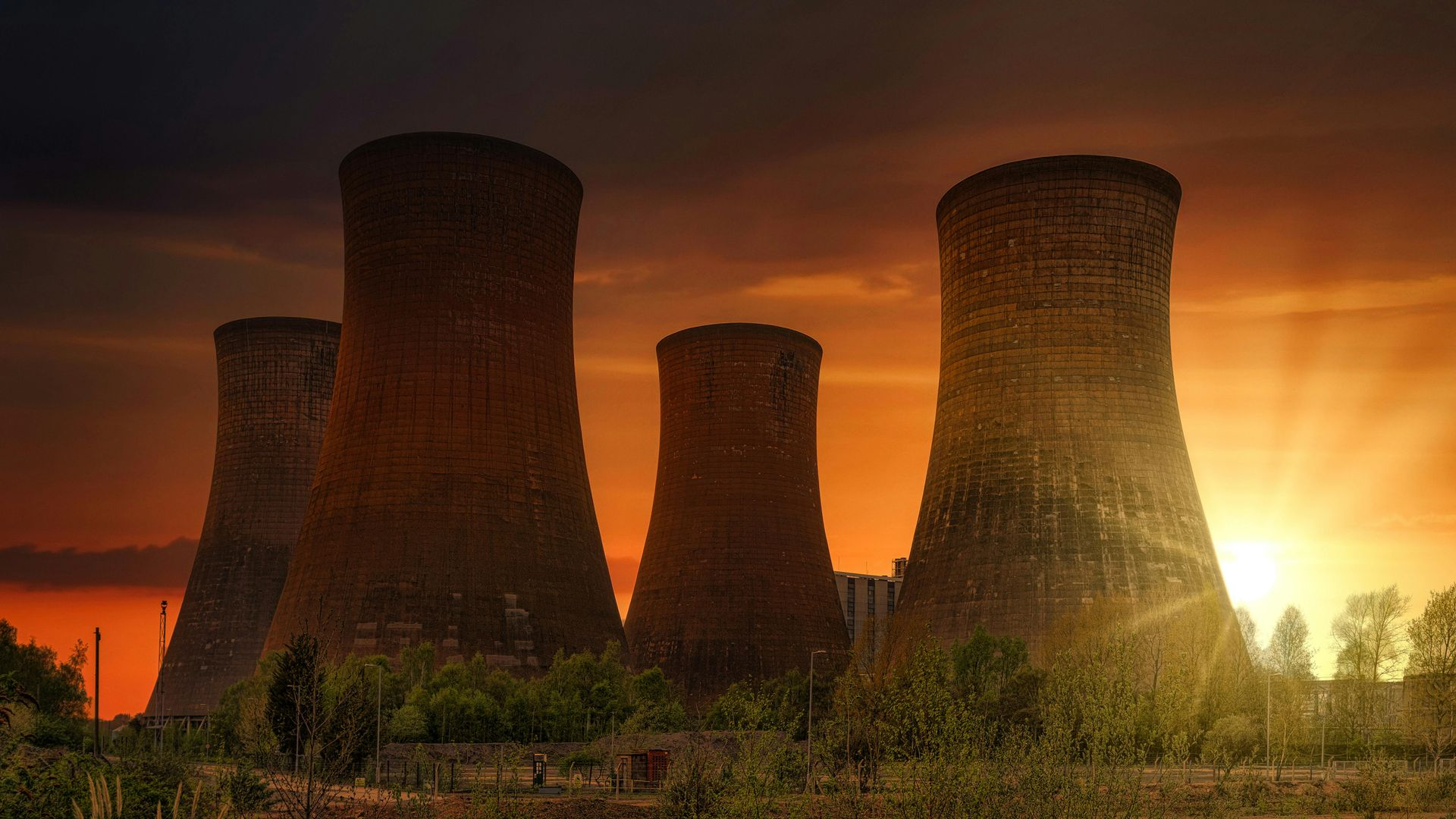


What Is a Cooling Tower? Understanding Industrial Cooling Systems
In modern heavy industry, reliability and output depend on precise temperature management. Every process from steel casting to petrochemical refining to data center operation generates heat, uncontrolled heat leads to lost productivity, lower energy efficiency, and emergency shutdowns. At the core of industrial-scale thermal control sits the cooling tower.
But a cooling tower is not just a water chiller in disguise. For facility engineers and plant managers across the US, Mexico, and Latin America, the cooling tower is a strategic lever for process stabilization, equipment protection, and compliance. Yet, few plant leaders can clearly define how these systems work or why specific configurations matter for their business goals. Clarity matters: the right cooling tower design saves millions in operational and capital expense over its lifetime.
If you are new here, Thermal Flow is your cooling tower manufacturer partner for complex industrial demands, engineering, delivering, and supporting water cooling solutions that directly drive plant productivity and ROI.
What is a cooling tower?
What is the function of a cooling tower?
A cooling tower is an engineered heat rejection device, transferring excess process heat from plant water systems to the atmosphere, primarily through evaporation. The science is straightforward, but the impact is anything but: by stabilizing recirculated water temperature, cooling towers directly protect sensitive equipment and maximize throughput across continuous processes.
Why is it called a cooling tower?
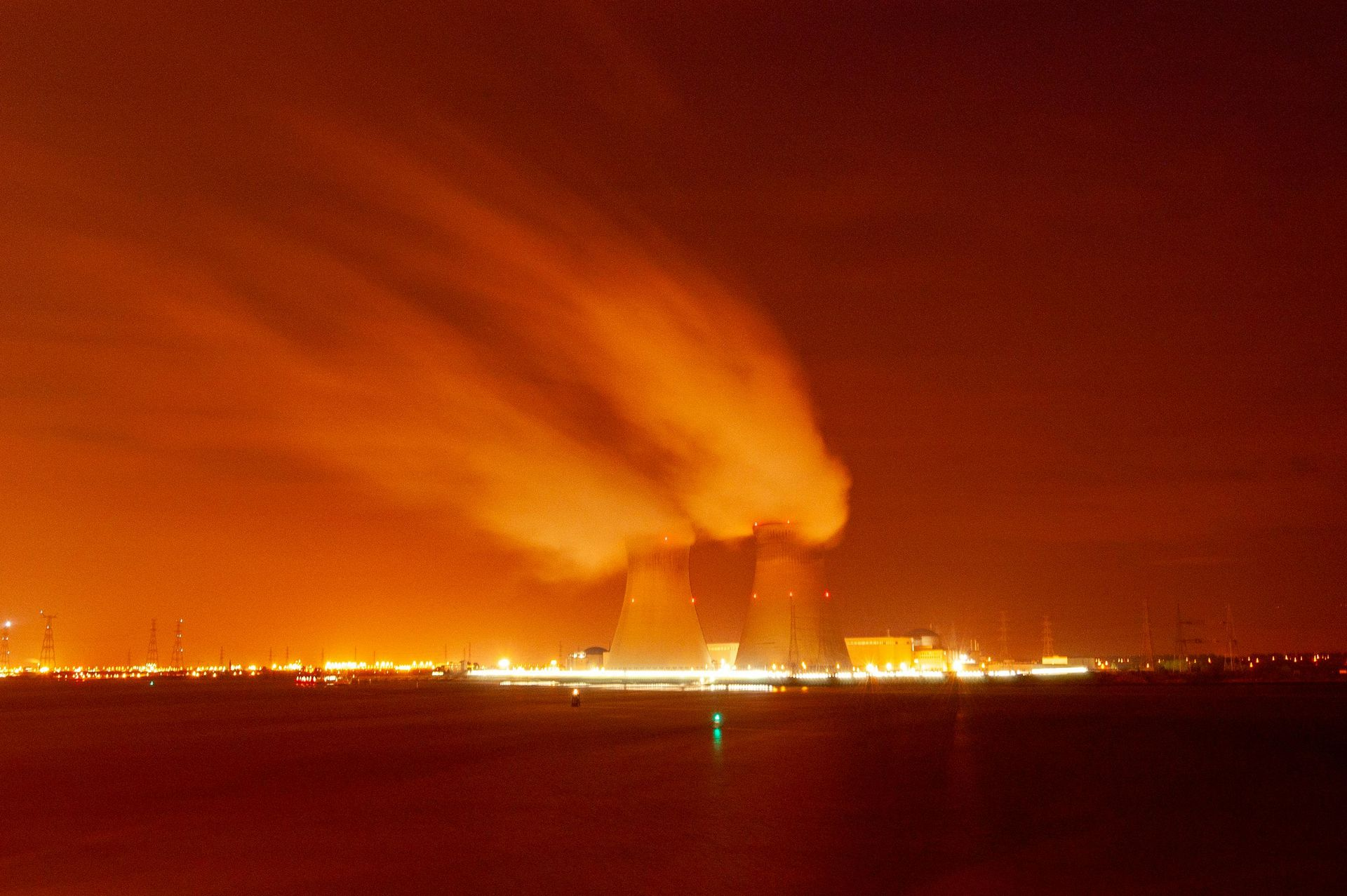
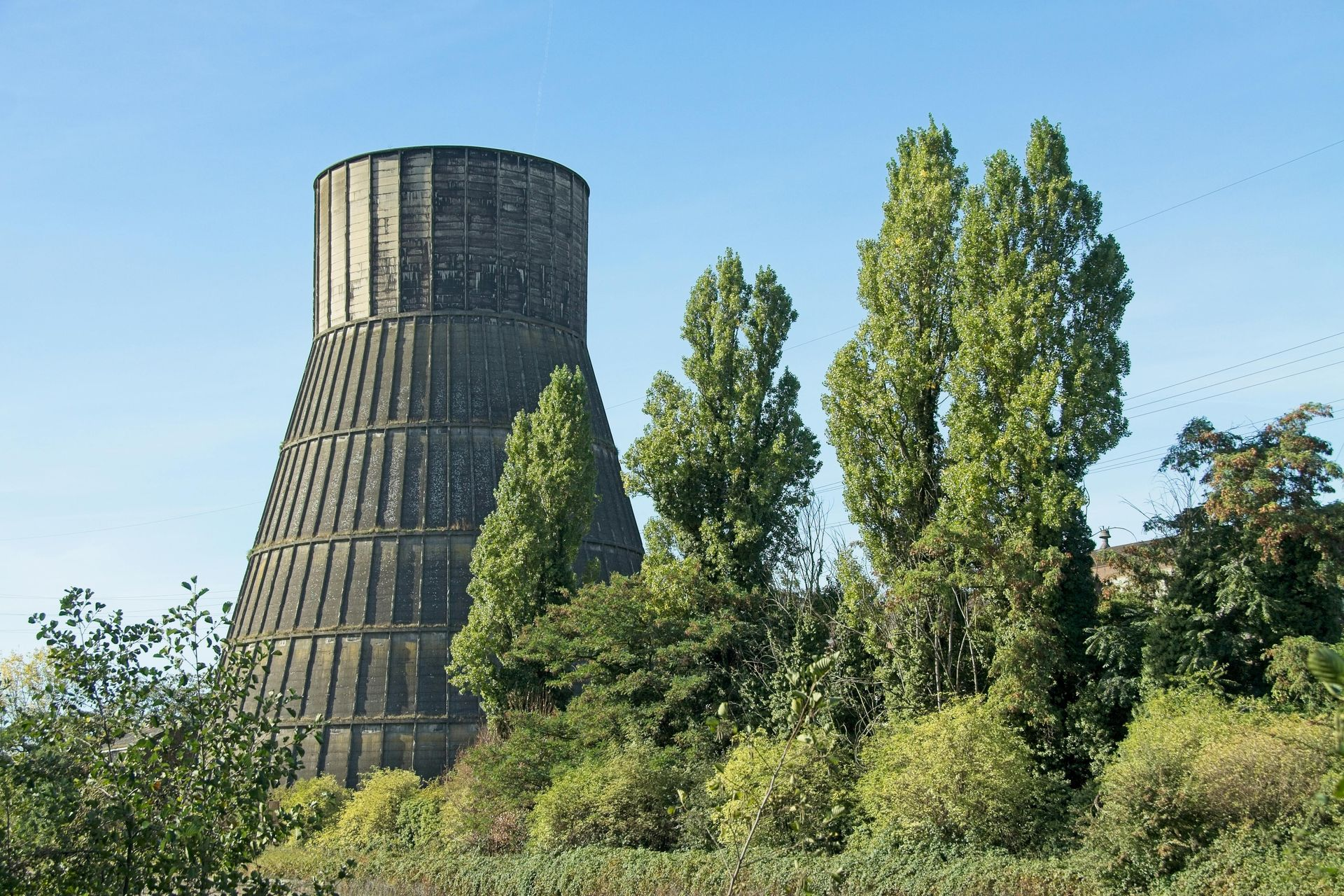
The term "cooling tower" comes from both the cooling function and signature tall structure. In traditional and natural draft towers, the vertical "chimney effect" helps draw air upward through the structure, promoting evaporation and cooling. Modern designs employ powerful induced draft fans but still follow the same physics.
What is a cooling tower system?
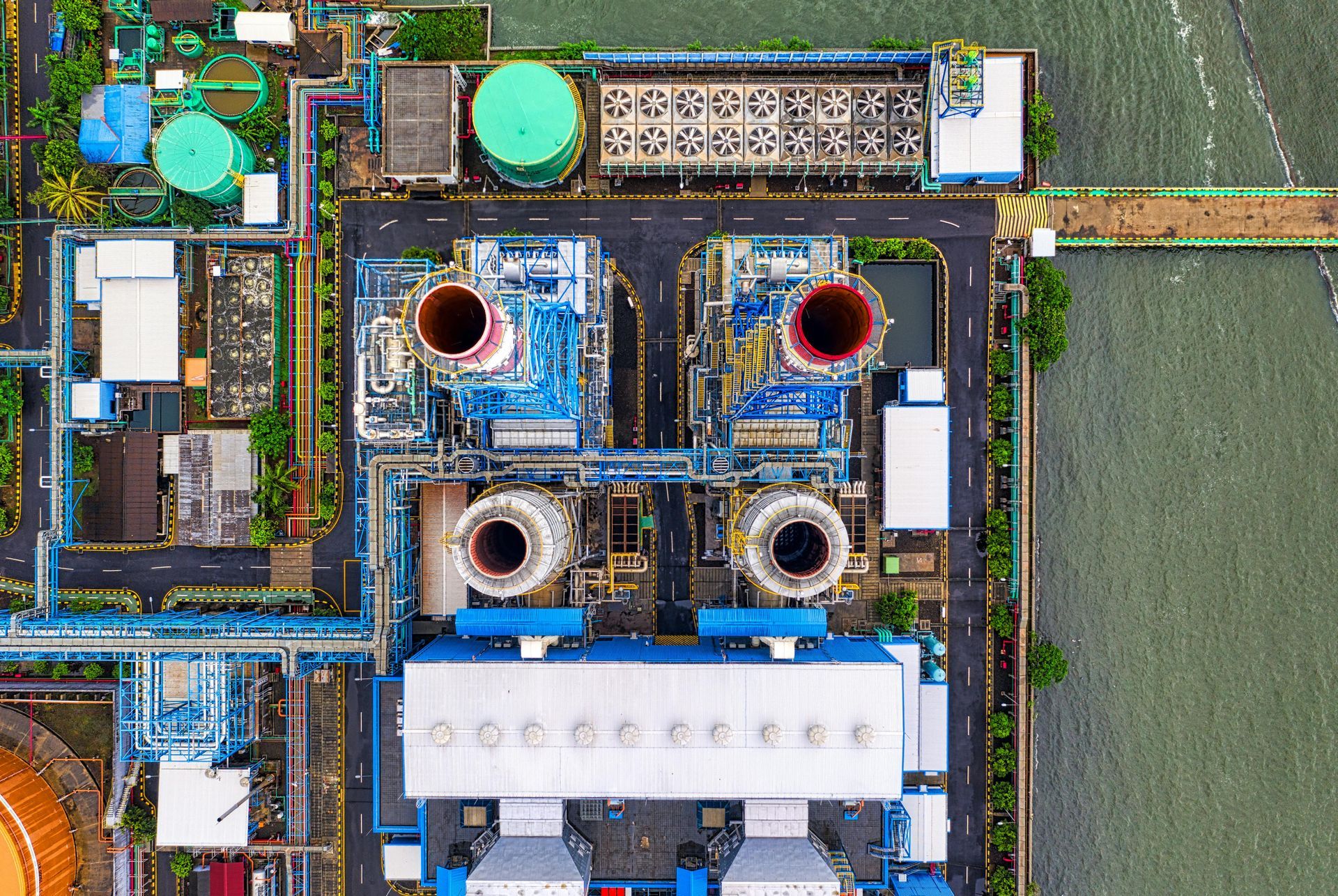
When industrial clients refer to a “cooling tower system,” they mean the complete engineered network: the tower, recirculating pumps, piping, instrumentation, water treatment skids, access walkways, and integrated safety controls. In nearly every heavy-industry environment, this system is sized, configured, and maintained to exact production loads and site constraints.
How does a cooling tower work?
Cooling tower process diagram for industry
The cooling tower functions via evaporative cooling: hot process water flows over large fill media inside the tower. Ambient air is forced through by high-performance fans (or rises by natural draft). As a fraction of the water evaporates, heat leaves with the vapor. The now cooled water drops into a cold-water basin and is immediately recirculated to chillers, exchangers, or direct process zones. This continuous rejection cycle underpins most modern industrial process cooling.
What is a cooling tower in HVAC?
In commercial and institutional HVAC, cooling towers discharge waste heat from water-cooled chillers, lowering building temperatures. For true industrial applications, however, cooling towers must contend with higher volumes, 24/7 operation, and aggressive water chemistry. Plant managers need to understand industrial mechanisms, not just HVAC basics. If you want a technical walkthrough of the full fluid-air cycle, step-by-step, see How Do Cooling Towers Work? The Complete Guide to Evaporative Cooling. It covers in depth process flow, evaporation dynamics, and best practices for performance design.
Key differences for heavy-industry
In steel, energy, or chemical plants, towers run at higher load, greater contamination risk, and demand much stronger drift control, fill design, and material selection. Site environmental factors and regulatory compliance often require custom airflow and water treatment integrations.
What are the types of cooling towers?
What are the types of cooling towers used in industry?
Cooling towers vary by both construction method and airflow strategy. Mechanical draft towers are most common for heavy-industry, subdivided into crossflow, counterflow, and induced draft types. The design you select directly affects energy consumption, space, maintenance cycles, and thermal performance. For hands-on plant managers comparing tower architectures, our in-depth technical breakdown in Cooling Tower Types: Understanding Crossflow, Counterflow, and More explains where crossflow, counterflow, and hybrid towers succeed (or fail), with real-world case insights.
Field-erected vs package cooling towers
Field-erected towers are site-assembled, often concrete or structural steel, and designed for massive thermal loads, ideal for refineries and utility power stations. Package cooling towers are pre-fabricated, modular systems suited for lighter, mobile, or rapidly deployed industrial applications. The optimal type comes down to facility scale, expansion outlook, and specific operational risks.
Key components of a cooling tower
What are cooling towers made of?
For industrial workloads, towers use steel or FRP support frames, high-efficiency fill media, drift eliminators, mechanical draft fans, water and air distribution networks, nozzles, gear drives, and robust cold-water basins. Leading designs ensure corrosion resistance, ease of cleaning, and redundancy in critical areas, these are not single-material structures.
Industrial design best practices
Smart tower engineering always prioritizes accessibility for inspection, optimized fill for cleaning, efficient fan sizing, and reliable mechanical drives. Low-drift eliminators, robust walkways, and safe gear and drive compartments distinguish best-in-class industrial towers from basic HVAC-grade units.
Where are cooling towers used?
Industrial cooling tower applications
The reach of the industrial cooling tower extends across multiple industries. High-tonnage towers are fundamental in steel plants (furnace and rolling line cooling), energy and nuclear power (main condenser and emission abatement), petrochemical factories (reaction loop temperature control), large-scale data centers (chilled water return routing), automotive (mold cooling, paint booths), and food processing. Most plants running high-volume continuous production depend on efficient, well-maintained cooling towers.
Application boundaries also shape tower design: processes with heavy fouling, corrosive discharge, or 24/7 operation require higher-grade fill, drift, access, and customized water chemistry strategies.
Advantages of cooling towers for industrial operations
An advanced industrial cooling tower system delivers measurable value:
- Consistent, controlled water temperature for production reliability
- Reduced chiller and process energy consumption
- Extended asset and heat exchanger lifespan
- Lowered water intake through efficient recirculation
- Configurable for rapid expansion or process swings
For plants across the US, Mexico, and Latin America, these outcomes are the foundation for both productivity and cost leadership.
Disadvantages and considerations for industrial cooling towers
Even the best-engineered cooling tower comes with operational requirements:
- Ongoing water loss through evaporation and drift requires replacement and treatment
- Targeted water chemistry is essential to prevent scaling and corrosion
- Maintenance cycles are mandatory to keep fill, fans, and pumps performing
- Environmental permitting and plume management can create compliance challenges
- Emergency response plans for unexpected failures are vital
All of these are solvable with proactive engineering, high-clarity process design, and industrial discipline.
Cooling tower maintenance: best practices for industry
How often should cooling towers be cleaned or serviced?
In heavy-industry, a minimum review cycle is monthly (visual) and semi-annually for deep clean and mechanical inspection. Plants with aggressive loads may require more frequent fill or fan cleaning. Drift eliminator checks, water biocide adjustment, and basin desilting should be scheduled ahead of any seasonal shifts or anticipated system shocks.
Water treatment for industrial cooling towers
Poor water chemistry accounts for the majority of catastrophic cooling tower breakdowns. Programs include anti-scale, anti-corrosion, apt biocides, and close monitoring of total dissolved solids. High-quality industrial cooling towers always pair mechanical and water treatment disciplines for safe, efficient operation.
Service and retrofit strategies for US, Mexico, and Latin America
Best-in-class maintenance includes scheduled cleaning, gear/fan inspection, fill retrofit (for process or regulatory upgrades), and controls modernization. Regional operators (from Northern Mexico to the Gulf to the Midwest US) should align service cycles with process volatility, climate wear, and compliance outlook, always use an industrial cooling tower partner for cross-border systems.
Cooling tower vs chiller: what’s the difference?
Cooling towers and chillers are often misunderstood. Cooling towers pass heat from process water to the atmosphere using evaporation. Chillers use mechanical refrigeration to lower a secondary fluid’s temperature below ambient, often for high-precision or comfort cooling. In industrial plants, cooling towers handle the heavy lifting for large-scale process and utility heat rejection; chillers are reserved for sub-ambient loops and smaller, critical assets. Knowing where to use each, and how to integrate them, determines line performance and future scalability.
Book a technical consultation with a leading cooling tower manufacturer
Industrial operations run on certainty, and certainty starts with engineered cooling systems. Thermal Flow works with manufacturers, utilities, and process leaders across North and Latin America to deliver technical clarity, measurable reliability, and custom
industrial cooling tower solutions. If you need a technical diagnosis, want guidance on system retrofits, or want to benchmark your plant’s cooling tower performance, contact us today to book a consultation with a trusted cooling tower manufacturer.
We are Madero & Carriles Legal Group.
Valeria Carriles Martinez and Gustavo A. Madero are binational attorneys serving clients across the United States and Mexico. With offices in Los Angeles and Guadalajara, they guide individuals, families, and business owners through probate, estate planning, immigration, and cross-border legal matters with clarity, strategy, and long-term vision.