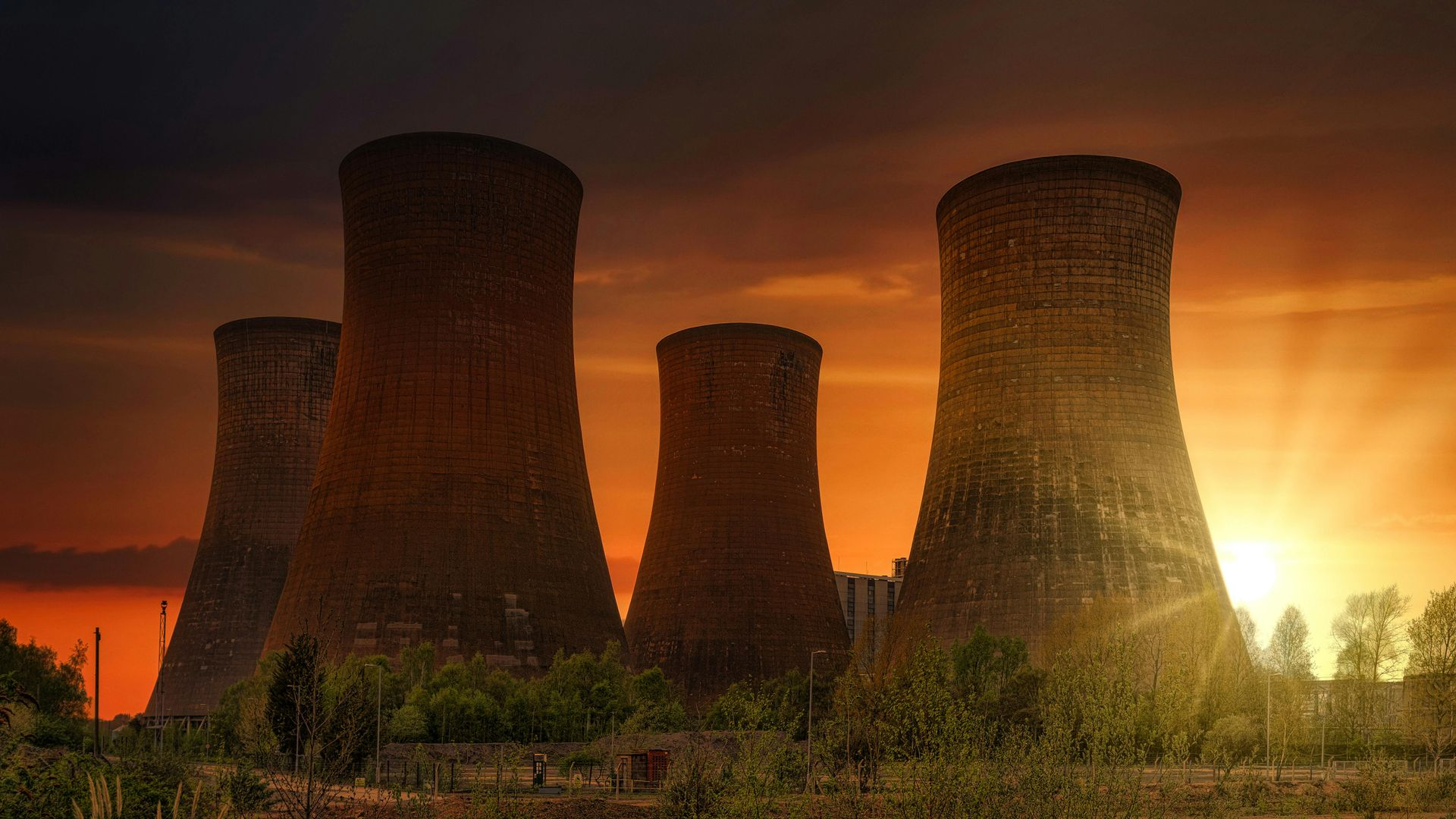


How Do Cooling Towers Work? The Complete Guide to Evaporative Cooling
Modern industry depends on effective heat rejection to keep critical systems running and productive. Every hour, manufacturing, chemical, energy, and data operations generate significant waste heat that must be controlled with precision. For plant and facility managers, especially in the USA and Latin America, cooling towers remain one of the most reliable and scalable solutions for thermal efficiency and operational stability.
For those tasked with maximizing throughput and protecting their investment, understanding the mechanisms behind cooling towers is not a theoretical exercise, it is a core competency. This guide offers a clear, technical perspective covering the physics, design, and real-world details that distinguish high-performing systems from the average. The goal is simple, demystify how cooling towers work and provide a practical reference for anyone managing or specifying process cooling equipment.
In case you are new here, we are cooling tower manufacturer. If you want expert insight into engineered thermal solutions or need a technical opinion on your site, explore our range of industrial cooling tower systems and see what clarity means in action.
What is a cooling tower and what is its function
A cooling tower is a specialized heat rejection device engineered to transfer process heat from water-cooled systems into the atmosphere. Its primary function in industrial environments is to remove excess heat from circulating process water. The tower receives hot water from process equipment, reducing its temperature before recirculating it to the plant. This is the foundation of evaporative cooling, which is fundamental to productivity in sectors like steel, oil and gas, chemicals, energy generation, and large HVAC systems.
What is evaporative cooling
Evaporative cooling is the physical process that enables water to shed latent heat to the surrounding air. In a cooling tower, this effect is harnessed by moving a large mass of water over contact surfaces, called fill, while simultaneously drawing air upward through the structure. As a portion of the water evaporates, it absorbs energy from the remaining liquid, resulting in a measurable drop in temperature. This is why evaporative cooling is the industry standard for scalable and economical heat rejection where ambient conditions allow.
The heat rejection process explained
The cooling tower process starts as warm process water exits heat exchangers, condensers, or production lines and is pumped to the top of the tower. Here, it is evenly distributed over the fill media. As the water flows downward by gravity, high-volume fans or natural convection pull ambient air upward. This air sweeps over the wetted fill to maximize surface contact. As evaporation occurs, heat is transferred from the liquid phase to the vapor phase, moving energy out of the water stream and into the atmosphere. The cooled water is collected at the bottom and recirculated, while the warm vapor rises and is expelled. The efficiency of this heat rejection process defines the performance of every industrial cooling tower.
What are the main components of a cooling tower
Every engineered cooling tower system relies on a precise set of components working together to support continuous and stable operation:
- Fan system, moves large volumes of air through the tower, either by mechanical draft with motors or by natural draft through chimney effect
- Fill media, provides a large, wetted surface for heat and mass transfer during evaporation
- Drift eliminators, capture water droplets entrained in the airstream to prevent water loss and environmental contamination
- Water distribution system, sprays, nozzles, and basins designed for even hydraulic coverage
- Collection basin, gathers cooled water and prepares it for recirculation
How does water flow through a cooling tower
Water enters at the top via spray nozzles, cascades downward over the fill media, cools by evaporation, and collects in the basin below for reuse.
What happens to water vapor
The water that evaporates leaves as saturated hot air or visible vapor, rising through the tower exhaust. Drift eliminators significantly reduce the amount of liquid water lost as mist.
Where does the warm water come from and where does it go
Hot water is supplied by plant heat exchangers or process condensers. After cooling in the tower, it is pumped back to the plant in a closed-loop cycle, maintaining safe operating temperatures for critical equipment.
Types of cooling towers
Several types of cooling towers are used in industrial and HVAC contexts, each with unique design parameters:
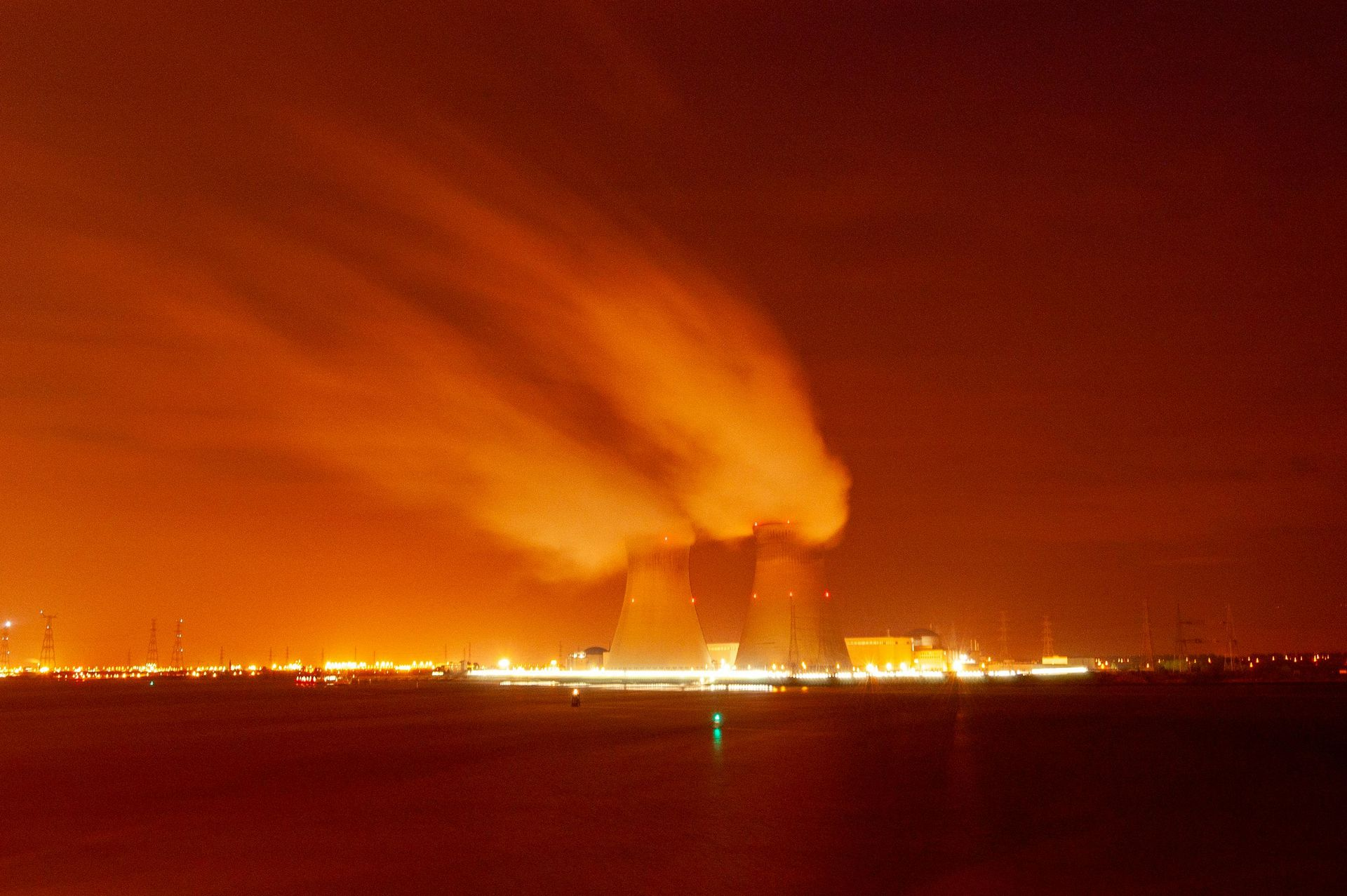
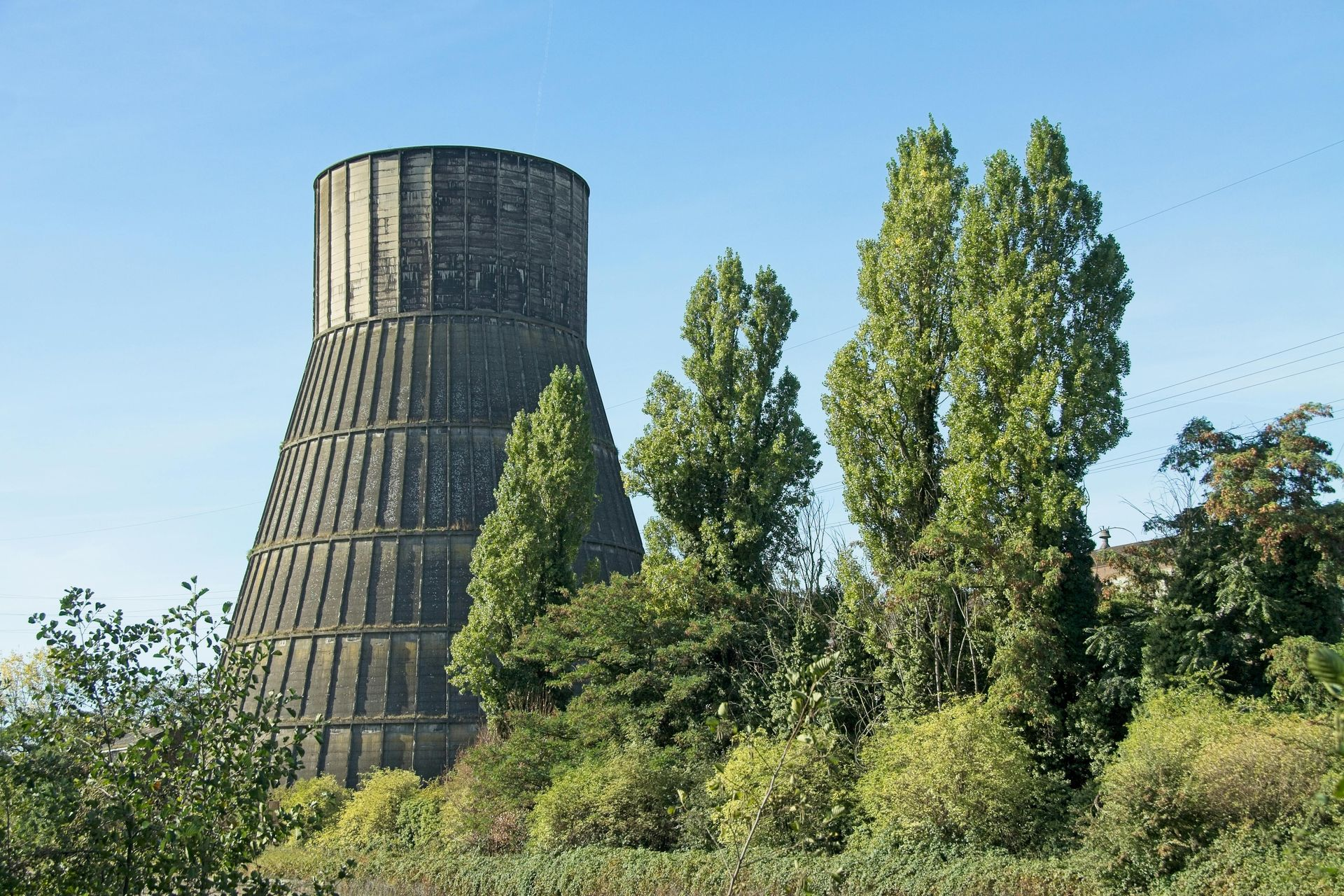
- Natural draft cooling tower, utilizes chimney effect and does not require mechanical fans, suitable for high and continuous loads, as in power plants
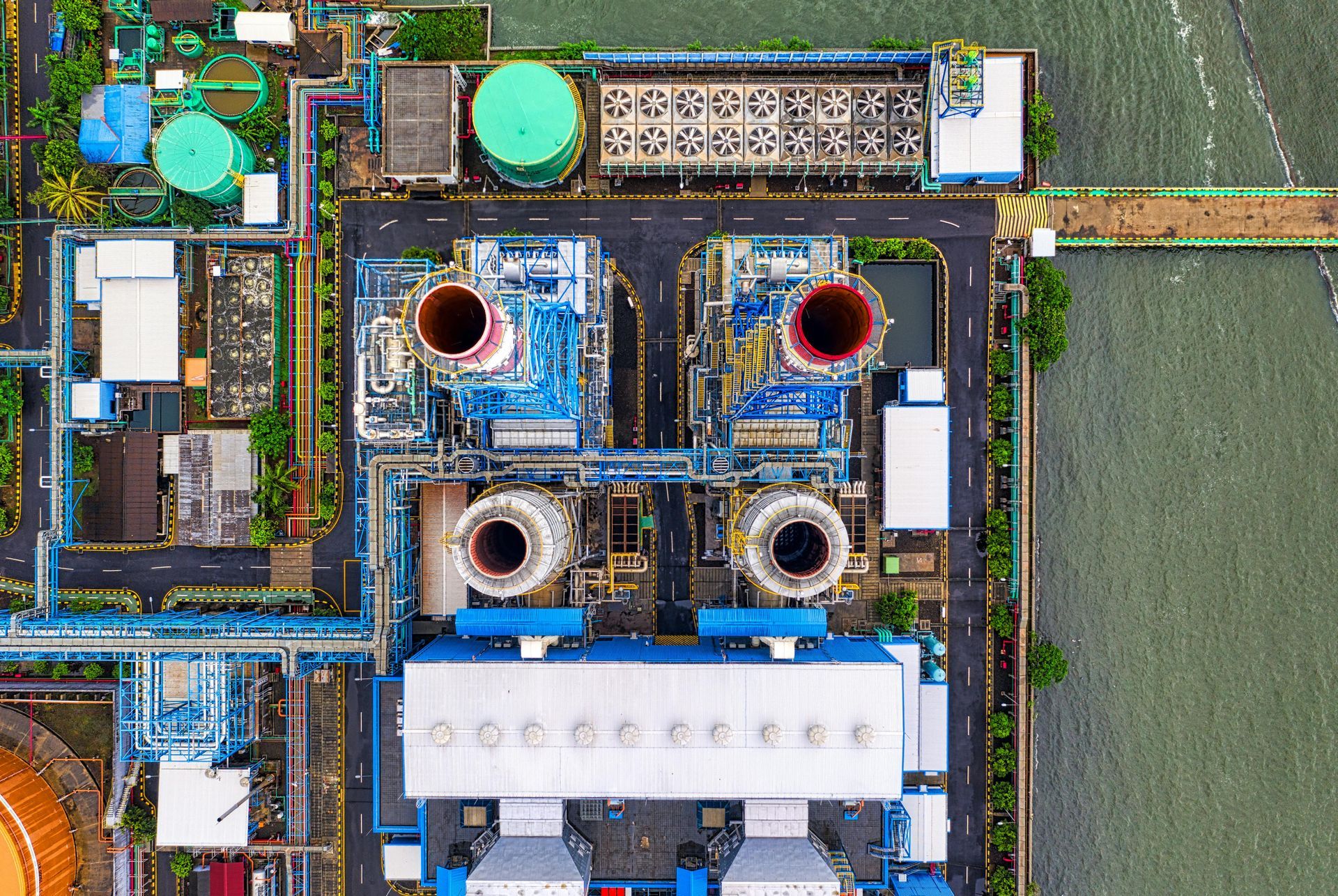
- Mechanical draft cooling tower, employs large fans to force or induce airflow, providing flexible placement and compact size
- Open circuit cooling tower, direct contact between air and process water, highest efficiency at lowest cost per ton of cooling
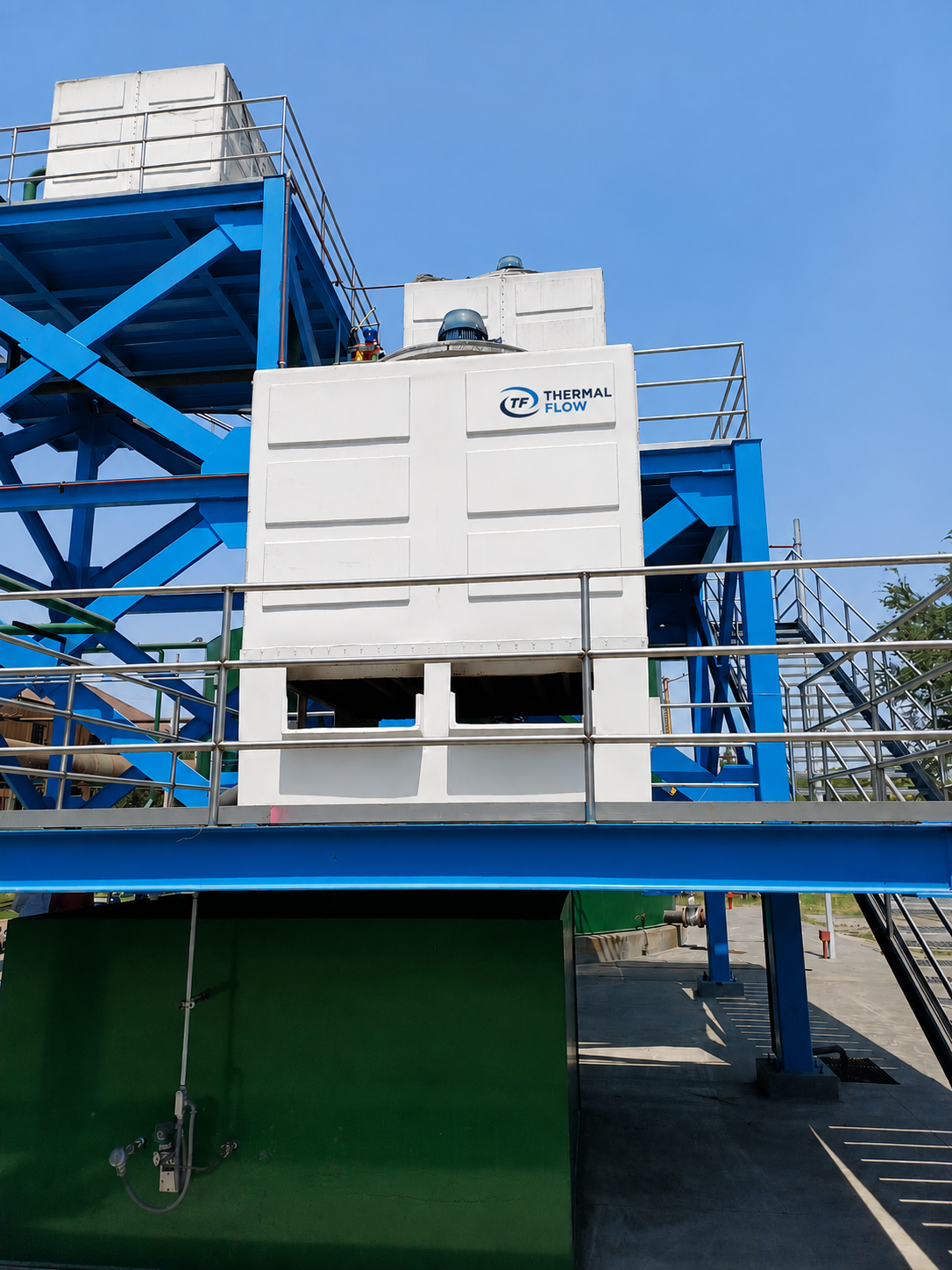
- Closed circuit cooling tower, process fluid is contained in coils and separated from the external evaporative loop, ideal for sensitive or contaminated systems
What is the difference between open and closed cooling towers
Open cooling towers directly expose process water to the air. This maximizes thermal efficiency, but can introduce airborne contaminants and requires intensive water treatment. Closed cooling towers, by contrast, use sealed coils or heat exchangers so the process fluid remains separated from the external evaporative loop, preserving water quality and eliminating the risk of contamination. Closed circuit designs are often preferred for high-purity or sensitive systems, while open towers are most common in heavy industry and large thermal applications.
Why is water quality important in cooling towers
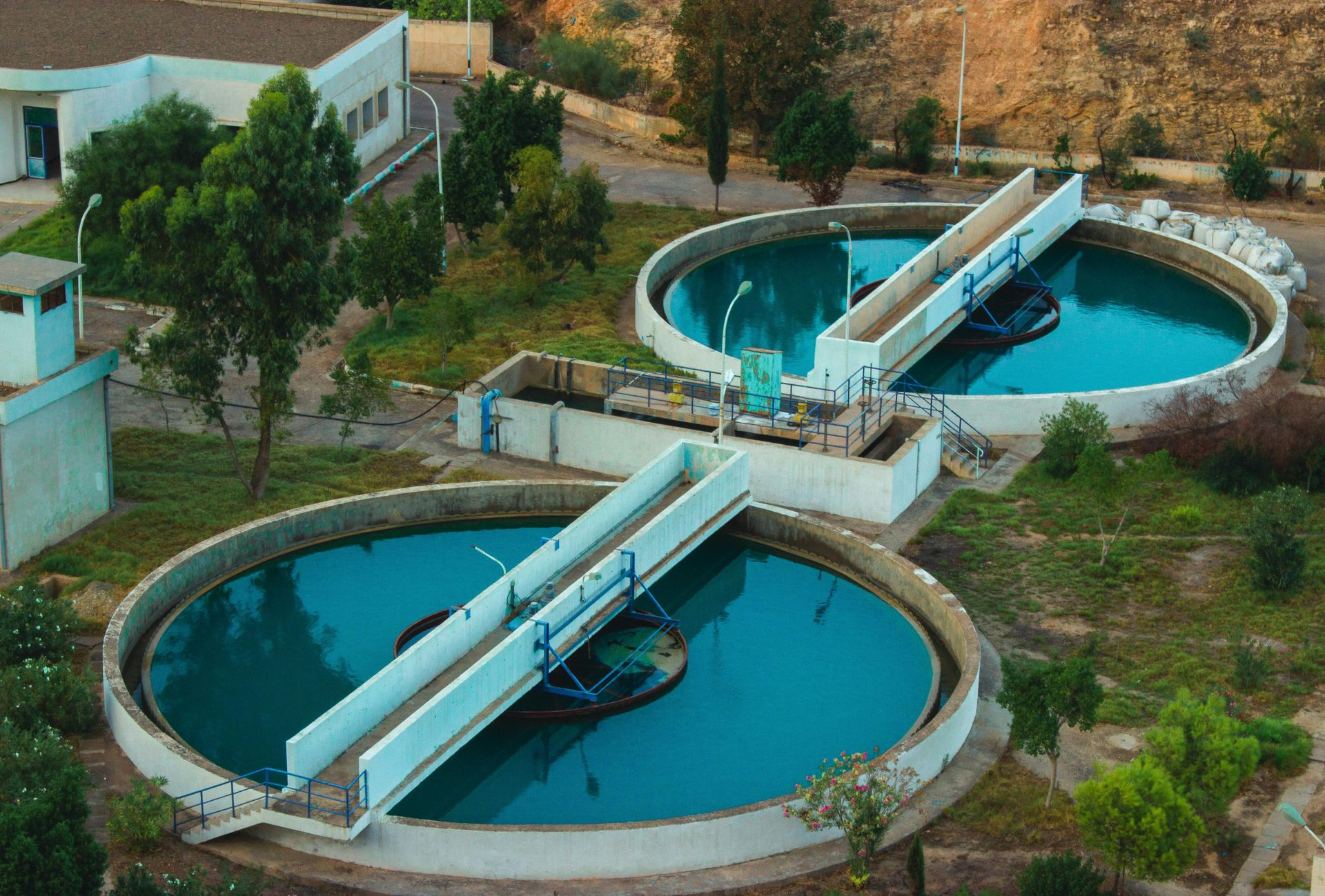
The quality of circulating water in a cooling tower has a direct impact on system efficiency, equipment longevity, and maintenance frequency. Poor water quality causes biofilm, algae growth, scaling, and corrosion, all of which lower performance and reduce evaporation efficiency. Industrial cooling towers depend on filtration, chemical dosing, and monitoring to maintain optimal water chemistry and protect assets.
Common applications of cooling towers
Cooling towers are essential infrastructure for:
- Power generation, including thermal and nuclear plants
- Steel and metal manufacturing
- Chemical and petrochemical production
- Oil and gas refining
- Large commercial HVAC, such as district cooling, data centers, hospitals
- Food and beverage processing
- Automotive and general industrial manufacturing
What are the pros and cons of cooling towers for different industries
Cooling towers offer unmatched scalability and cost-effectiveness for large heat rejection demands. Key advantages, high thermal efficiency, stable performance, and adaptability across climates and processes. Potential drawbacks, water management complexity and the need for routine water treatment and maintenance in open systems.
How to maintain cooling towers for optimal performance
Proper cooling tower maintenance includes regular checks on fan alignment, fill and basin cleaning, drift eliminator function, and corrosion control. Scheduled water quality analysis, plus inspection of pumps and fans, allows teams to address minor issues before they threaten process stability. Committing to an established maintenance routine protects your industrial cooling tower investment and ensures long-term operational success.
How can cooling towers improve energy efficiency
Modern cooling tower systems are engineered with variable frequency drives, advanced controls, and optimized fill materials. These upgrades lower fan energy consumption, adapt cooling to real process loads, and extract more heat per unit of water. Well-designed industrial cooling tower systems cut operational costs and help facilities stay competitive and compliant with sustainability targets.
What is the difference between industrial and HVAC cooling towers
Industrial cooling towers are built for high flow rates, 24/7 operation, and heavy-duty service. Their focus is on capacity, durability, and maximum yield for complex or demanding production. HVAC cooling towers in commercial and institutional contexts optimize for reliability, small footprints, and quieter operation. Choosing the right cooling tower means matching technical specs to the scale, usage, and regulatory priorities of your environment.
Environmental concerns and water loss in cooling towers
Water use and water loss must be managed carefully in cooling tower operations. Main sources of water loss include drift, blowdown for controlling mineral concentration, and evaporation. Leading industrial cooling tower designs integrate drift eliminators, water-saving automation, and advanced chemical systems to minimize environmental impact and help facilities meet regulatory requirements and ESG objectives.
When should you consider a cooling tower upgrade
Upgrade your industrial cooling tower when you see ongoing efficiency loss, rising energy costs, frequent scaling or corrosion, or the equipment reaches the end of its lifecycle. Modern diagnostic tools reveal hidden areas of inefficiency, supporting smarter retrofit or replacement decisions that restore safe cooling at the best possible cost.
Take the next step with an industrial cooling tower you can trust
If you want to clarify your cooling process, control operational risk, and deliver measurable performance improvements for your site, start a technical consultation with our team. Discover what a purpose-built
industrial cooling tower can do for your facility in the USA, Latin America, or anywhere precision cooling is essential.
We are Madero & Carriles Legal Group.
Valeria Carriles Martinez and Gustavo A. Madero are binational attorneys serving clients across the United States and Mexico. With offices in Los Angeles and Guadalajara, they guide individuals, families, and business owners through probate, estate planning, immigration, and cross-border legal matters with clarity, strategy, and long-term vision.